How Event Marketers Can Use https://mez.ink/lavowin for Seamless Campaign Management
In the fast-paced world of event marketing, managing multiple campaigns, coordinating with creators, and tracking real-time performance can quickly become overwhelming. Event professionals constantly juggle promotional timelines, influencer partnerships, and audience engagement metrics—all while trying to deliver a flawless experience. This is where innovative platforms like https://mez.ink/lavowin come into play, offering a centralized solution to streamline workflows and enhance campaign efficiency.
While the platform is often associated with influencer marketing, its utility extends far beyond simple creator outreach. For event marketers, it serves as a powerful hub to automate communication, analyze attendee behavior, and optimize promotional strategies. In this article, we will explore how you can leverage this tool to elevate your next event, from pre-launch buzz to post-event follow-up, ensuring every step is data-driven and results-oriented.
Why Event Marketers Need a Unified Campaign Dashboard
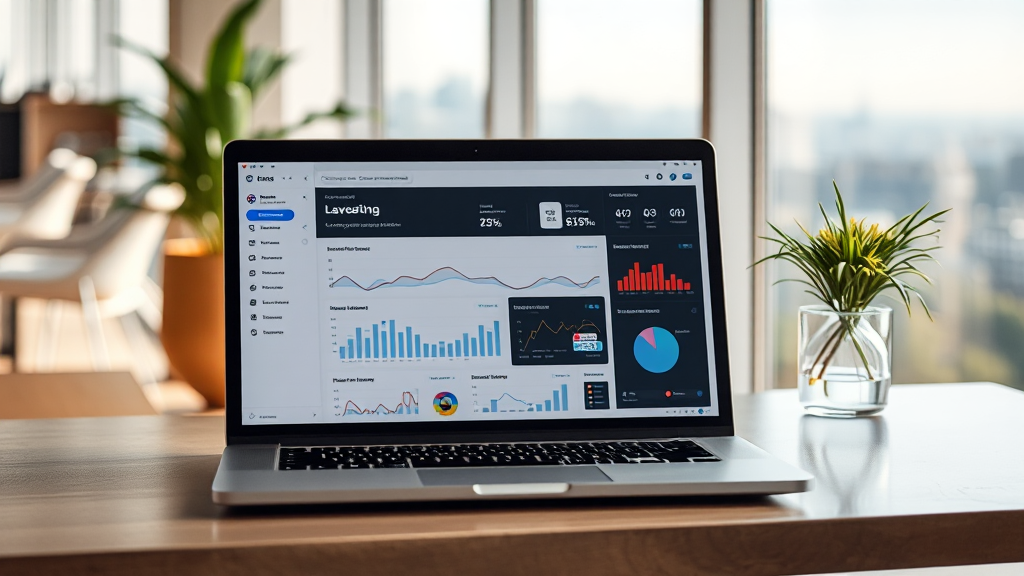
Event promotion typically involves multiple channels—social media, email newsletters, partner blogs, and influencer shout-outs. Managing these channels separately leads to fragmented data and missed opportunities. A unified dashboard, like the one accessible through https://mez.ink/lavowin, aggregates all your campaign metrics into a single view. This allows you to monitor which channels drive the most registrations, identify peak engagement times, and allocate your budget accordingly.
Moreover, a centralized approach reduces the risk of miscommunication. Instead of juggling spreadsheets and email threads, you can track every creator’s content schedule, approval status, and performance in one place. This transparency is crucial when coordinating multiple stakeholders, from in-house teams to external influencers, ensuring everyone stays aligned with your event’s goals.
Automating Creator Outreach for Event Promotion
One of the most time-consuming tasks in event marketing is identifying and reaching out to relevant influencers or content creators. The AI-powered automation features available through this platform simplify this process. By setting specific criteria—such as audience demographics, engagement rates, and content style—you can automatically generate a list of ideal partners for your event. The system can even send personalized outreach emails, follow-ups, and reminders, freeing your team to focus on strategic planning.
For example, if you are organizing a tech conference, you can filter for tech reviewers and industry thought leaders. Once they accept your invitation, the platform can manage the entire collaboration pipeline, including contract signing, content briefs, and deadline tracking. This level of automation ensures no creator is forgotten and every piece of promotional content is delivered on time.
Leveraging Data-Backed Insights for Event Growth
Data is the backbone of successful event marketing. The analytics tools integrated into https://mez.ink/lavowin provide deep insights into your audience’s preferences and behavior. You can track which types of content generate the most interest, what time your audience is most active, and which promotional messages resonate best. These insights allow you to refine your campaigns in real time, ensuring your event reaches its full attendance potential.
Beyond pre-event promotion, data analytics can also enhance the on-site experience. By analyzing attendee interactions and feedback, you can tailor sessions, networking opportunities, and even food and beverage choices to match their preferences. Post-event, the same data helps you measure ROI, identify areas for improvement, and build a stronger case for future sponsorships.
Improving Collaboration Between Marketing and Event Teams
Event success relies heavily on seamless collaboration between marketing, logistics, and operations teams. The platform’s shared workspaces and communication tools break down silos, allowing everyone to access the same information. Whether it’s a content calendar, a list of confirmed influencers, or live performance metrics, all stakeholders can view and update data in real time. This reduces the chances of duplicate efforts and ensures that everyone is working toward the same objectives.
For instance, when a creator posts a promotional video, the marketing team can immediately see its engagement metrics, while the logistics team can monitor the resulting registration spike. This instantaneous feedback loop enables quicker decision-making and more agile campaign adjustments, which is especially valuable during the final weeks leading up to an event.
Case Study: How a Virtual Summit Used This Platform to Boost Attendance
To illustrate the practical application, consider a virtual summit organizer who struggled with low attendance and disengaged audiences. By adopting the tools available through https://mez.ink/lavowin, they automated their influencer outreach, focusing on niche experts with highly engaged followers. The platform’s AI suggested the optimal posting times and content formats, leading to a 45% increase in registration conversions.
During the event, they used real-time analytics to switch up their session formats based on viewer retention rates, resulting in longer average session durations. After the event, the platform’s post-campaign reports helped them identify which speakers and topics generated the most buzz, guiding their next summit’s agenda. This holistic approach transformed their marketing strategy from guesswork to data-driven precision.
Best Practices for Integrating This Tool into Your Event Workflow
To maximize the benefits, start by defining clear goals for your event campaign—be it ticket sales, brand awareness, or attendee engagement. Next, map out your ideal attendee persona and use the platform’s targeting filters to find creators who can reach that audience. Always set up tracking links and UTM parameters to monitor the performance of each influencer or channel accurately.
Regularly review your analytics dashboard to spot trends and adjust your strategy accordingly. Don’t hesitate to experiment with different content types, such as short videos, behind-the-scenes snippets, or live Q&A sessions, to see what resonates best. Finally, maintain an open line of communication with your creators, using the platform’s messaging features to provide feedback and foster long-term relationships.
Common Pitfalls to Avoid
One common mistake is treating the platform as a one-time promotional tool rather than an ongoing engagement hub. Even after your event, you can use the data to nurture leads and convert attendees into loyal community members. Another pitfall is neglecting to integrate the platform with your other marketing tools, such as your CRM or email marketing software. Doing so creates data silos and undermines the benefits of a unified dashboard.
Additionally, avoid overloading your creators with too many instructions or complex briefs. The platform’s automation should simplify the process, not complicate it. Always provide clear, concise guidelines and allow creators the creative freedom to present your event in a way that appeals to their unique audience.
Future Trends in Event Marketing and AI Automation
As technology evolves, we can expect even more sophisticated AI features to emerge. Predictive analytics will help event marketers forecast attendance more accurately, while natural language processing could enable more personalized communication at scale. The integration of virtual reality and augmented reality may also change how events are experienced, offering immersive previews that drive excitement.
Platforms like https://mez.ink/lavowin are at the forefront of this evolution, constantly updating their features to meet the changing needs of marketers. By staying ahead of these trends and adopting a flexible, data-centric approach, you can ensure your events remain competitive and engaging in an increasingly digital world.
Conclusion
Event marketing is no longer just about booking a venue and sending out invitations. It requires a sophisticated blend of content strategy, influencer partnerships, and real-time analytics. The tools available through https://mez.ink/lavowin empower event professionals to automate mundane tasks, uncover actionable insights, and foster meaningful collaborations. By integrating this platform into your workflow, you can not only simplify your campaign management but also drive measurable growth for your events.
Whether you are organizing a small meetup or a large-scale conference, the principles outlined in this article will help you harness the full potential of AI-driven marketing. Start exploring the platform today and discover how it can transform your next event from a logistical challenge into a resounding success.
Frequently Asked Questions
What is the primary function of the platform linked at https://mez.ink/lavowin?
The platform is an AI-powered influencer marketing hub that helps brands and marketers automate creator outreach, manage campaigns, and analyze performance data. For event marketers, it streamlines promotional efforts by centralizing communication and metrics.
Can I use this platform for offline events as well as virtual ones?
Yes, the platform is versatile and can be used for both offline and virtual events. It helps with pre-event promotion, attendee engagement, and post-event analysis, regardless of the event format.
Do I need technical skills to use the platform?
No, the platform is designed with a user-friendly interface that requires no coding knowledge. The AI handles complex tasks like audience targeting and data analysis, so you can focus on strategy and creativity.
How does the platform integrate with my existing marketing stack?
The platform offers integrations with popular CRM, email marketing, and analytics tools. This ensures your data flows seamlessly across systems, providing a holistic view of your campaign performance.
Readers who are interested in this topic will benefit from exploring multiple perspectives and understanding the nuanced approaches that industry leaders recommend. Taking time to research thoroughly ensures better outcomes and more informed decision-making.
Those looking to gain deeper knowledge in this area should consider following expert analysis, staying updated with the latest developments, and engaging with professional communities where these topics are discussed in detail.
A comprehensive understanding of this subject requires looking at both theoretical foundations and practical applications. By combining study with hands-on experience, learners can develop a well-rounded perspective that serves them well in real-world scenarios.
As the landscape continues to shift and evolve, staying informed about emerging trends and best practices becomes increasingly valuable. This ensures you remain competitive and capable of adapting to new challenges as they arise.